
What Is House Wrap and Why Does Your Home Need It?
Have You Ever Wondered What Protects Your Walls Behind the Siding?
Take a walk around your neighborhood and you will probably notice something right away. Every home has some type of siding covering the outside walls. Some houses have clean vinyl panels that look neat and modern. Others show off warm wood boards that feel classic and inviting. You might see strong brick walls or smooth stucco too. Siding plays a big role in how a house looks from the street. It adds personality and helps protect the building from the weather.
But here is something many homeowners do not always think about. The real protection for a home does not stop at the siding. There is another layer hidden behind it that works quietly in the background. Did you know there is a protective material placed under the siding to help block moisture and wind? It is called house wrap. We are going to talk about what house wrap is, how it works, and why it matters for the health of your home. You cannot see it every day, but it is a big part of keeping your house dry and comfortable.
What Exactly Is House Wrap?
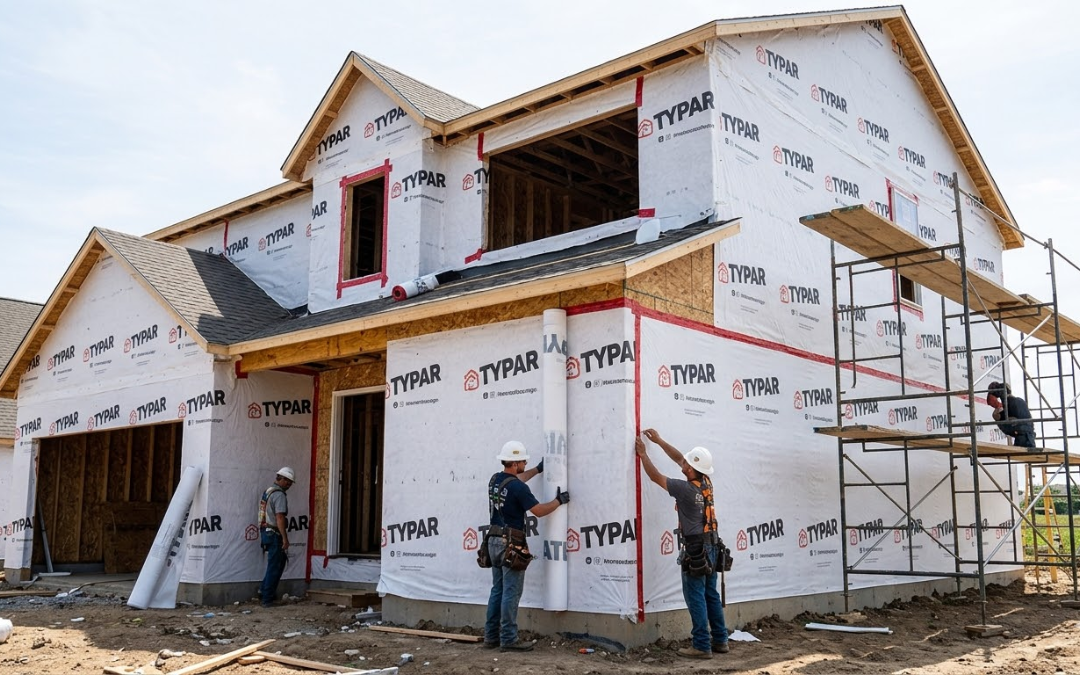
House wrap is a thin protective sheet installed between the outside wall and the siding. Builders put it over the wall boards before the outer siding goes on.
Think of it as a lightweight shield that goes all the way around the home.
Its job is to create a barrier against rain and wind while still letting moisture from inside the wall get out. That is important because walls need protection, but they also need to “breathe” so they stay dry.
House wrap works with almost any kind of siding. Whether the house is old or new, the wrap fits right in. Common siding types it works with include:
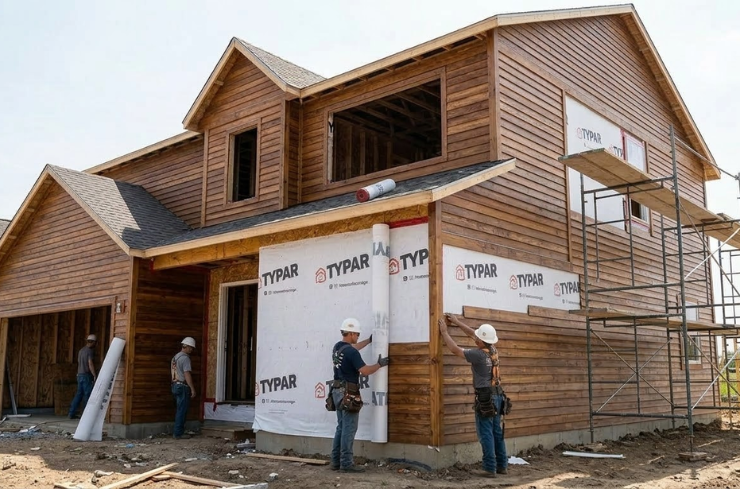
Wood siding
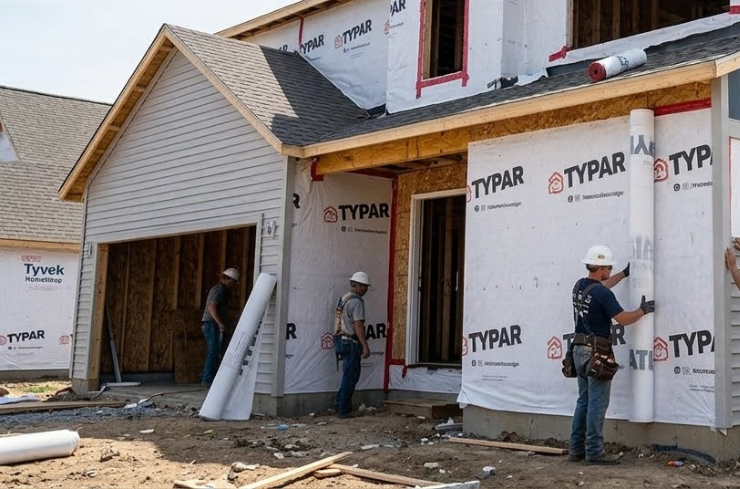
Vinyl siding
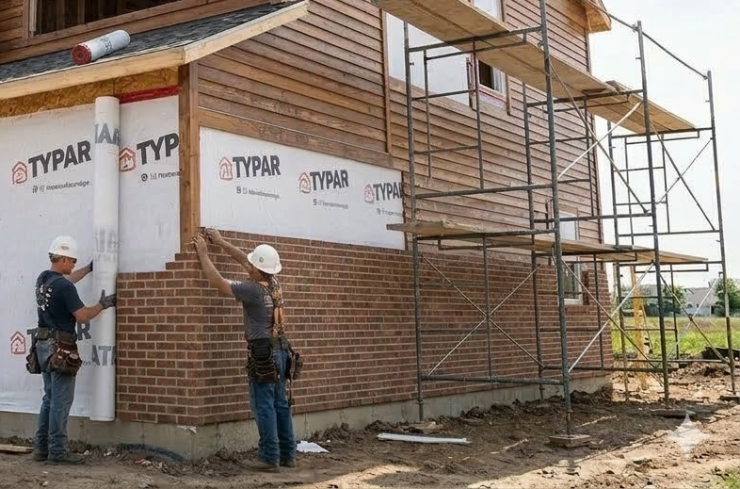
Brick
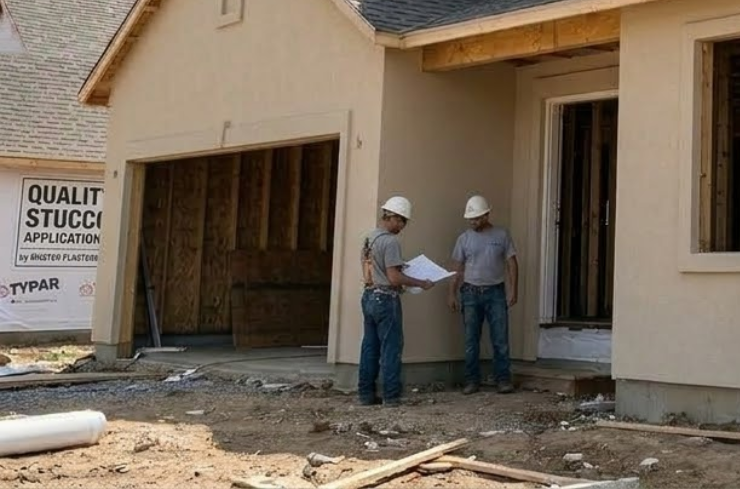
Stucco
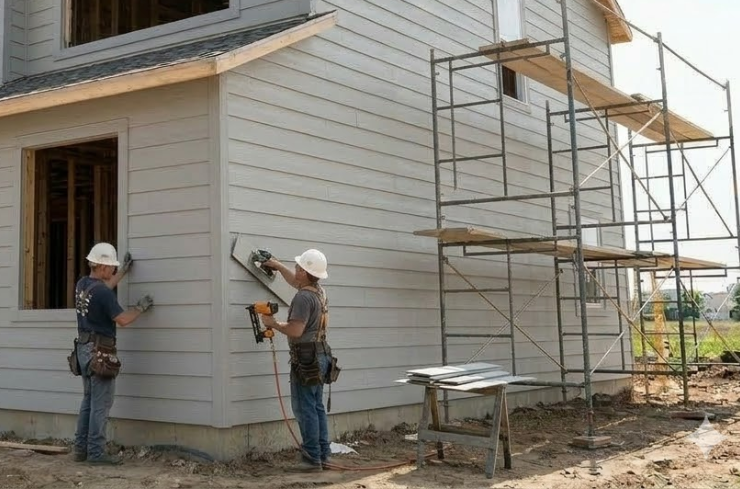
Fiber cement siding
No matter what the outside of the house looks like, the wrap underneath provides an extra level of safety. It helps defend your home from water, wind, and other things that can slowly damage a building.
Why Does House Wrap Matter?
Many homeowners are surprised to learn that siding is not completely sealed. It might look solid, but siding has small gaps and joints. Panels sit on top of each other and boards move a little as the weather changes. There are also seams around corners and windows. These small spaces are normal, but they can let wind and rain sneak behind the siding. During a big storm, water can find those little openings and work its way inside. Over time, that moisture can cause big problems.
This is where house wrap comes in. It sits right under the siding and acts as a backup layer to block water and air before they reach the main wall.
Why Your Siding Needs Extra Protection
Think about wearing a raincoat during a storm. The coat keeps the rain off your clothes so you stay dry. But if moisture gets trapped under the coat and cannot get out, you would start to feel damp and cold. Homes are the same way. Siding is the first line of defense and it does a good job, but it is not a solid wall. Small seams and edges are just part of how it is built.
When rain gets past the siding, the wrap helps guide it away so it cannot soak into the wood or insulation. It is a simple layer, but it adds a lot of protection to keep the walls of your home in good shape.
What Happens If a Home Does Not Have House Wrap?
Without a good barrier behind the siding, a home can run into trouble. You might see things like:
- Water damage inside the walls
- Mold or mildew growth
- Drafty rooms
- Higher heating and cooling bills
- Rotting wood in the frame of the house
Signs Your Home May Need Updated Protection
If your home is older or you are thinking about getting new siding, it is a good time to check the layers underneath.
Some clues that your walls need help include:
- Feeling drafts near outside walls
- Energy bills that seem too high
- Water stains on your inside walls
- Siding that is loose or damaged
- A home project that shows the bare walls
House wrap does not usually get much attention because once the siding is installed, it is completely hidden from view. You cannot see it from the outside and it does not change the color or style of your home. Even so, it plays an important role in protecting the structure of the house. It helps keep rain from reaching the inner parts of the wall, reduces unwanted air that can move through small gaps, and allows moisture inside the walls to slowly escape so materials can stay dry. These simple but important jobs help the entire siding system work the way it should. When everything works together, your home stays more comfortable and better protected over time. So while siding is the part everyone notices, house wrap is the layer quietly supporting it from behind. It may not be visible, but it is working every day to help keep your home safe from moisture, wind, and changing weather conditions.
If you are planning a siding project or want to make sure your home is safe from the weather, the team at Twin Peaks Roofing and Construction is ready to help you pick the right materials and get the job done right.
0 Comments