
Gutter Guards Explained: Which Type Is Right for Your Home?
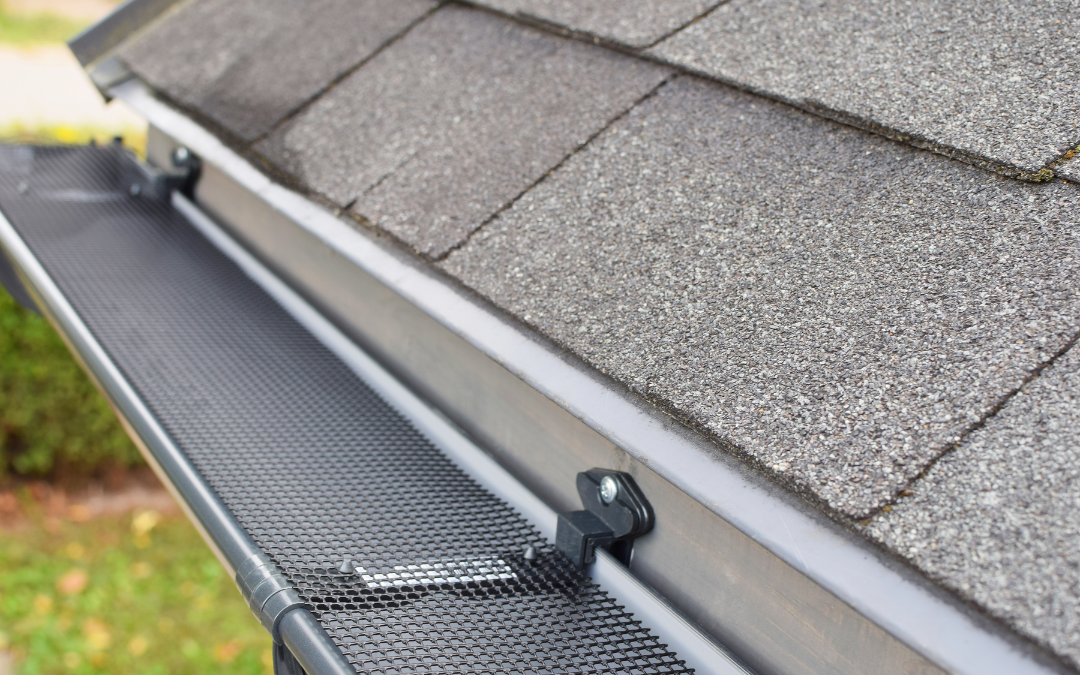
Have You Heard About Gutter Guards But Aren’t Sure Which Type You Need?
Gutter guards are one of the simplest upgrades you can make to stop clogged gutters and the headaches that come with them. If you’re a homeowner tired of climbing a ladder every fall to scoop out wet leaves, you’re not alone. Most people know gutters are supposed to move water away from the house, but few realize how much the type of gutter guard you choose affects how well that actually happens. If you’ve been hearing the term “gutter guard” and wondering which kind is worth your money, you’re asking the right question.
Every home collects some amount of leaves, seeds, shingle grit, and debris in its gutters. Open gutters do nothing to stop that. Gutter guards are built differently, and the type you choose can show up directly in how often you’re cleaning gutters and how well your drainage holds up in a storm. On this blog, you’ll learn about the main types of gutter guards, how each one works, and what kind of performance you can realistically expect. By the end, you’ll be able to decide which fit is right for your home.
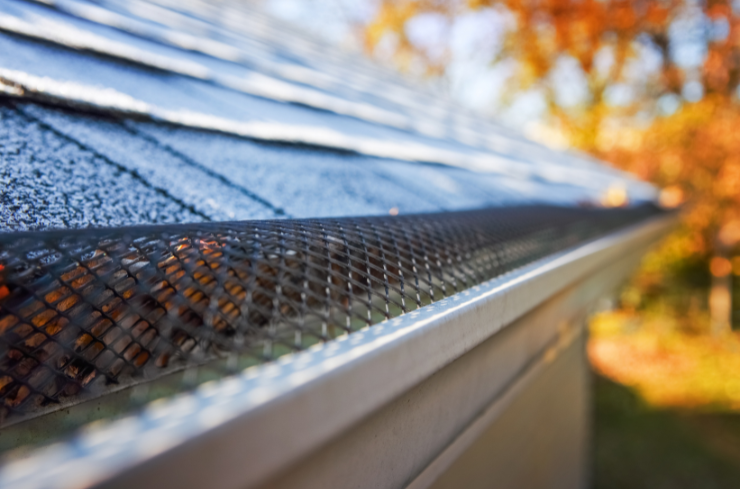
What Gutter Guards Actually Do
A gutter guard is a cover or insert that sits over or inside your gutter channel. The goal is the same across every type: let water in, keep debris out. How each design achieves that, though, varies quite a bit, and that difference is what separates a guard that keeps your gutters clear for years from one that clogs up again by the next season.
How They Help Protect Your Home
Clogged gutters don’t just mean an annoying cleanup chore. When water can’t drain properly, it can back up under your roofline, pool near your foundation, or freeze and expand in cold weather, causing damage that’s far more expensive than the guards themselves. A properly matched gutter guard keeps water flowing where it should, which protects your roof, siding, foundation, and landscaping from the slow damage that comes with overflow.
Understanding Mesh Size and Debris Type
You may have heard installers talk about mesh size, and it’s worth understanding since it’s the number that tells you how fine or coarse the openings are. The finer the mesh, the smaller the debris it can block, but very fine mesh can also be more prone to catching grit and pollen if not maintained. Coarser guards let more water through easily but may let small debris slip in as well. Matching the guard to what’s actually falling on your roof, pine needles versus broad leaves versus shingle grit, makes a real difference in performance.
It Smooths Out Your Home’s Weak Spots
Every gutter system has trouble spots, like inside corners, downspout openings, and long runs that see heavy water flow during storms. A generic, one-size-fits-all guard can’t fully address these areas. Because the right guard is chosen with your roofline and tree coverage in mind, it helps even out these problem spots so your whole gutter system drains evenly instead of overflowing in just a few places.
Extra Benefits Beyond Fewer Cleanings
Saving time and avoiding ladder trips is a big draw, but it isn’t the only advantage. Many gutter guards also help reduce the weight of standing debris and water sitting in the gutter, which can lessen strain on the gutter brackets over time. Some styles also help discourage pests like mosquitoes, birds, and rodents from nesting in open, debris-filled gutters.Saving time and avoiding ladder trips is a big draw, but it isn’t the only advantage. Many gutter guards also help reduce the weight of standing debris and water sitting in the gutter, which can lessen strain on the gutter brackets over time. Some styles also help discourage pests like mosquitoes, birds, and rodents from nesting in open, debris-filled gutters.
What Affects Which Type Is Best for You
While gutter guards help in every home, the right type depends on a few factors. The trees near your house, your local rainfall intensity, your roof pitch, and your budget all play a role. Homes surrounded by pine trees or heavy leaf drop tend to need a finer mesh, while homes with lighter debris may do fine with a simpler, more affordable option.
The Different Types of Gutter Guards
Gutter guards aren’t a single product. They come in a few different designs, each with the same basic goal but a different approach and price point.
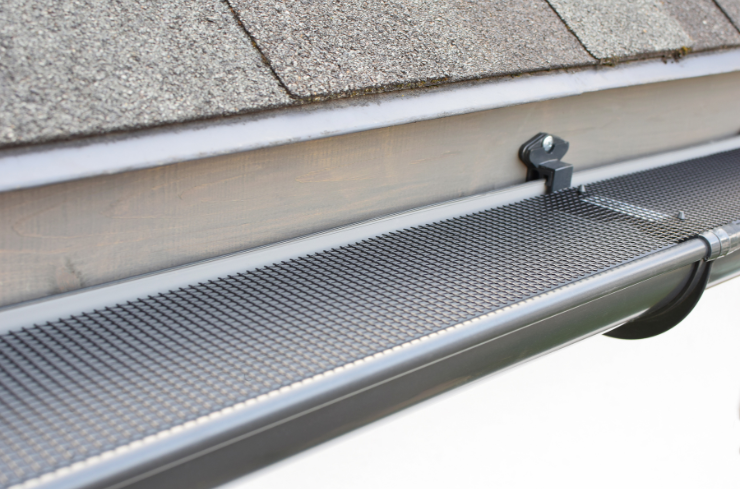
Micro-Mesh Guards
The most thorough option, using fine stainless steel or aluminum mesh to block even small debris like pine needles and shingle grit.
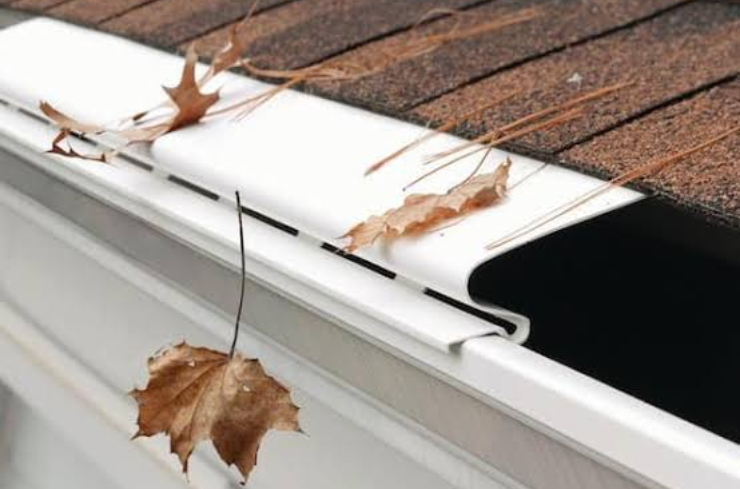
Reverse Curve (Surface Tension) Guards
Solid covers that use water’s surface tension to pull water in while debris slides off the edge; excellent in heavy rain but pricier.
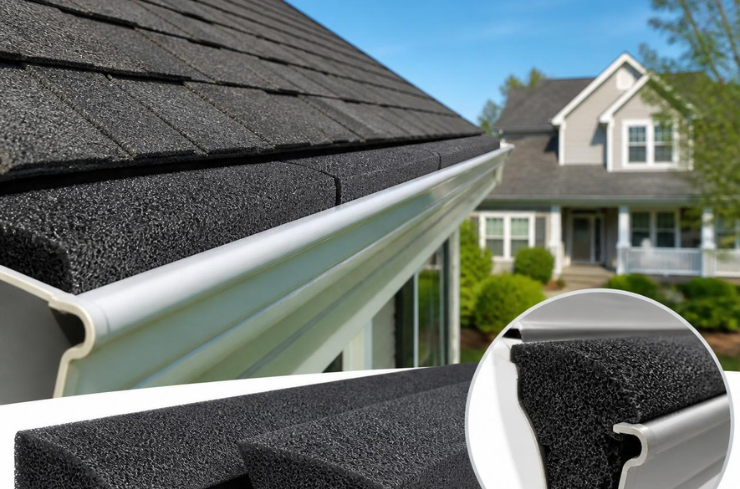
Foam Insert Guards
Porous foam blocks that fit inside the gutter, letting water soak through while blocking leaves; affordable but may need periodic replacement.
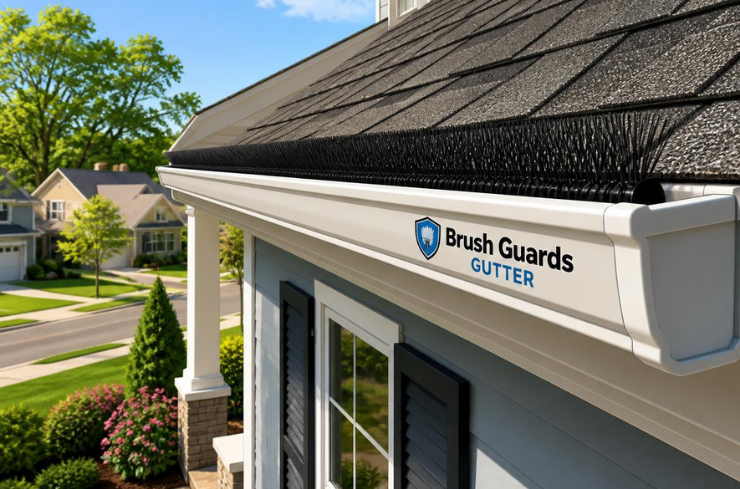
Brush Guards
Bristled inserts that catch debris on top while water flows underneath; easy to install but less effective against fine debris.
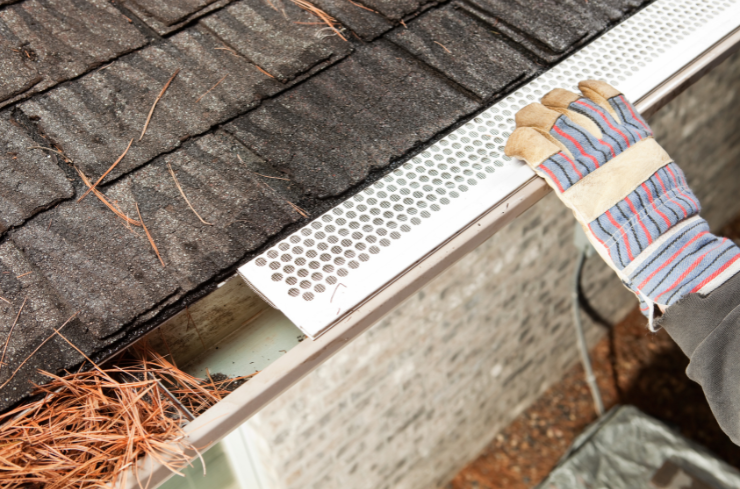
Perforated (Punched Hole) Guards
Solid metal or vinyl covers with small punched holes; more affordable than micro-mesh but let more debris through.
Whichever style you choose, how well it’s matched to your roof and tree coverage is what delivers the real performance, so the right pick usually comes down to your budget and how much maintenance you’re willing to do.
Are Gutter Guards Worth the Investment?
Gutter guards typically cost more upfront than doing nothing, but they’re designed to pay you back over time through fewer cleanings, less risk of water damage, and a longer lifespan for your gutter system. For homeowners with mature trees nearby, or anyone already due for new gutters, it’s an upgrade that keeps working for you long after installation day.
Should You Upgrade to Gutter Guards?
You don’t have to be replacing damaged gutters to consider this upgrade.
If you’re dealing with frequent clogs, overflow during storms, or you’re simply tired of cleaning gutters every season, gutter guards are worth a serious look.
Upgrading can help reduce maintenance, protect your home from water damage, and give your gutter system a longer, more reliable lifespan.
Ready to Learn More About Gutter Guards?
Your gutters do more than catch rain. They play a real part in protecting your roof, siding, and foundation from water damage year-round. As storms and debris keep coming, the right gutter guard can make a meaningful difference in how much time and money you spend on maintenance.
If you’ve been putting off a gutter upgrade or you’re curious which type of gutter guard makes sense for your home, it’s worth getting a professional opinion. The right gutter guard can reduce maintenance, help prevent water damage, and give your home lasting protection, one you and your family can count on for years to come.
If you’re ready to explore gutter guards for your home, Twin Peaks Roofing & Construction is here to help. Reach out today to schedule a consultation and find the right gutter guard for your home.
0 Comments