
What You Should Know About the 7 Most Popular Pitched Roof Types
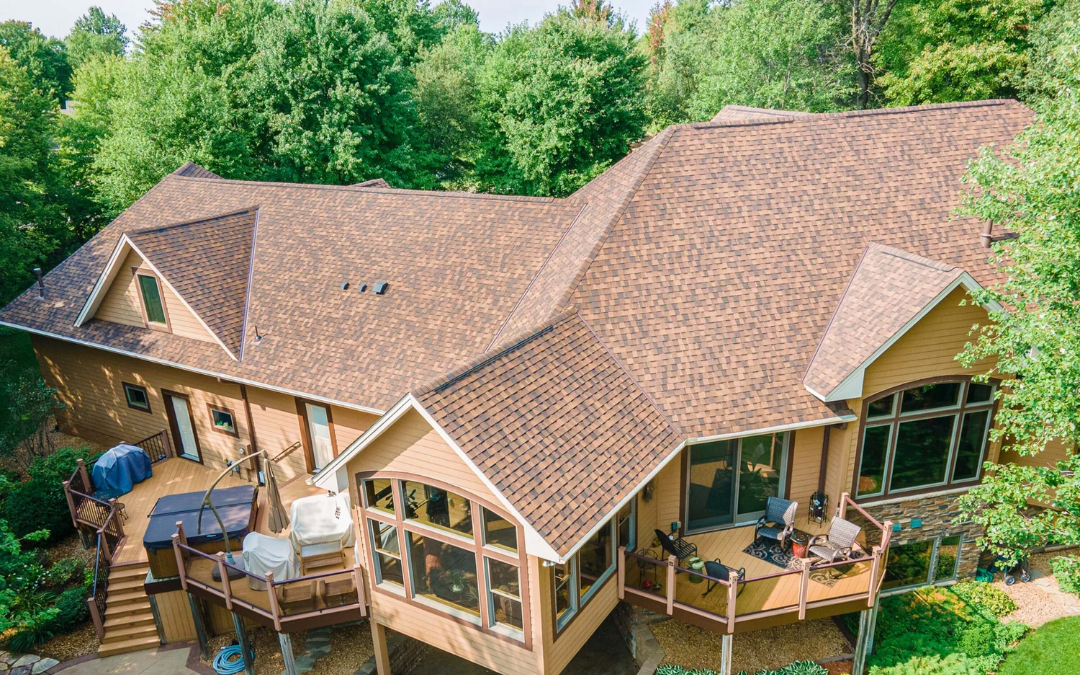
How Do Different Pitched Roof Types Change the Look of Your House?
When you look at a house, the roof is one of the first things you see. It defines the entire look of the home and is essential for keeping everything inside safe.
Are you thinking about a roofing project soon? Or maybe you’re just trying to figure out which roof style is best for your house. Most homeowners start with the basics, and the best place to begin is by understanding different roof shapes.
Did you know that pitched roofs are a super reliable choice? They hold up well in all kinds of weather, look good on almost any home, and last for ages. They’re a common choice for new construction and replacing old roofs because they offer a great mix of good looks and function.
In this article, you’ll learn why pitched roofs are such a great option and why so many people prefer them. This guide is designed to be simple and easy to understand. We’ll walk through the most popular pitched roof types, what each one offers, and why they matter. Whether you’re just curious, planning for the future, or ready to pick materials, this will give you a clear starting point so you can feel more confident about your roofing decisions.
What Exactly is a Pitched Roof?
A pitched roof is simply a roof that has a slope. It leans upward instead of being completely flat. This slope is what helps water drain away, gives the house a distinctive shape, and allows the roof to handle different weather conditions.
Why Does the Roof Pitch (Slope) Matter?
- Drainage: A steeper slope lets water run off faster. This keeps your roof drier and helps prevent leaks.
- Style: The angle of the roof totally changes how your home looks. A high pitch feels traditional and classic. A lower pitch looks sleek and modern.
- Strength: The pitch helps the roof support the weight of things like rain, snow, or fallen leaves and other stuff.
Great Things About Pitched Roofs
Pitched roofs offer homeowners a bunch of helpful perks.
- Excellent Water Drainage
One of the biggest pluses of a pitched roof is how well it handles water. The slope helps rainwater quickly move off the roof instead of sitting in one place. This greatly lowers the chance of leaks and keeps the roof in better shape over time. It also stops moisture from building up, which can hurt your roofing materials. With a pitched roof, you have a design that works with the weather. - Durability and Long Life
Pitched roofs are known for lasting a long time because they can stand up to different weather. The angled shape lets the wind pass over more easily and reduces strain on the structure. Rain and dirt slide right off instead of collecting, which protects the materials. With proper upkeep, a pitched roof can stay strong for many years, making it a reliable, long-term choice. - Better for Energy
A pitched roof can actually make your home more comfortable. The open space created by the slope (often an attic) lets heat rise and move around. This helps the house stay cooler in the summer. When it’s easier for your cooling system to work, it can help lower your energy bills. Pair good insulation with a pitched roof, and you get a much more comfortable space year round. - Look Great
Pitched roofs add a lot to your home’s curb appeal. The shape gives the house more personality and makes it look more inviting. Many people find pitched roofs more attractive because they add height, shape, and character to the building. Whether you want a classic look or a modern one, a pitched roof helps your home stand out in a simple, beautiful way. - Lots of Design Options
Homeowners love that pitched roofs come in so many different styles. You can pick from many shapes that fit various home looks, from very old fashioned to super modern. This makes it easy to match the roof to the style you want for your house.
7 Popular Pitched Roof Designs
Here are the most popular pitched roof types. You probably see a few of these in your own neighborhood.
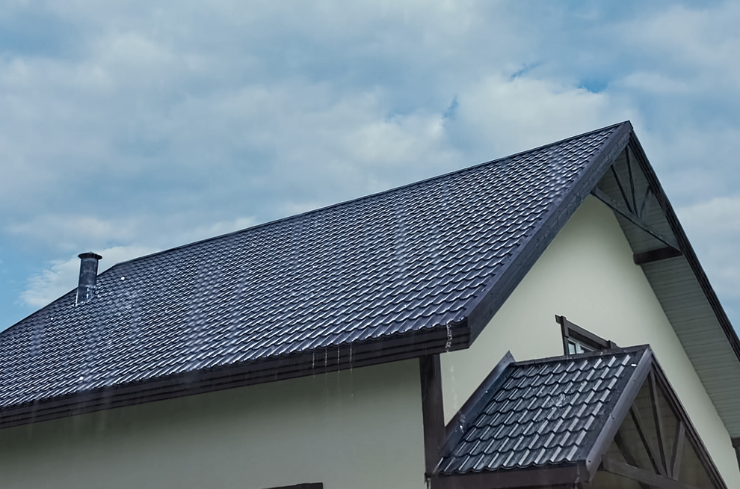
1. Gable Roof
A gable roof is the classic triangle shape most people picture when they think of a house. It’s one of the simplest styles to build, which often means lower cost. The straightforward slope on both sides drains rainwater fast, making it a very practical choice for rainy areas. Gable roofs also look great on many different house styles, from old traditional ones to new modern ones. They offer a clean, familiar look.
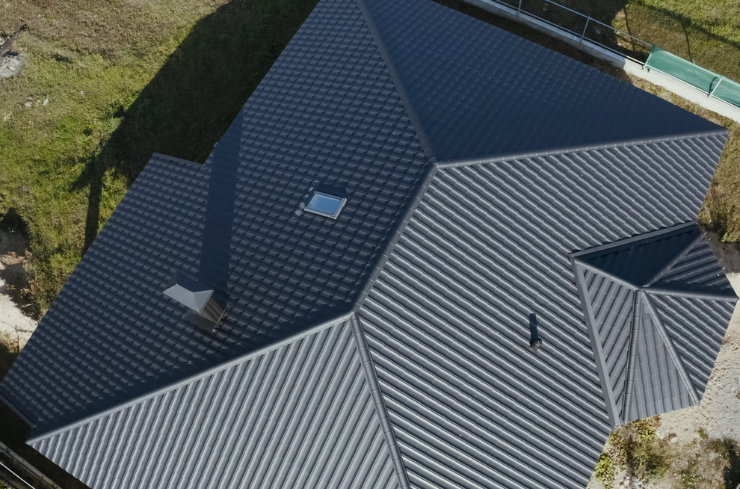
2. Hip Roof
A hip roof has slopes on all four sides that meet at the top, creating a strong, balanced shape. Because of this design, the roof handles wind really well and stays steady during storms. This makes it a great pick for places that get strong winds. Hip roofs also give homes a smooth, finished look that many homeowners love.
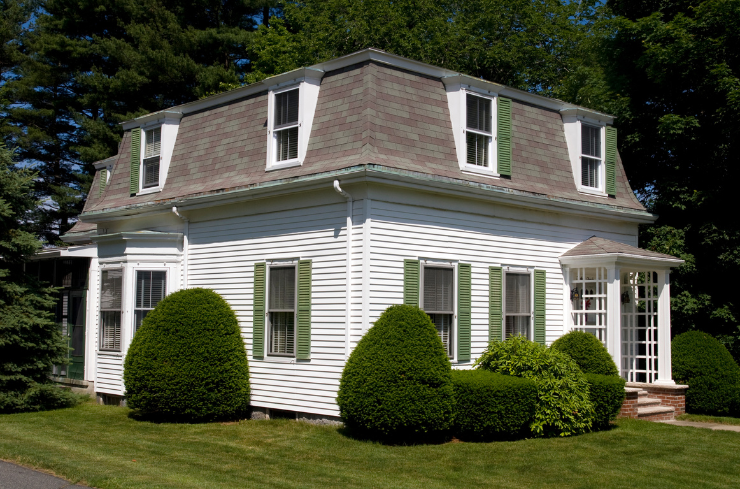
3. Mansard Roof
A mansard roof has two slopes on each side; the lower one is much steeper than the top one. This creates a lot of extra room inside, which you can use for an attic, a loft, or even another living space. People often choose this style to get more room without changing the house’s foundation. The mansard roof also gives the exterior a classy, elegant look.
4. Gambrel Roof
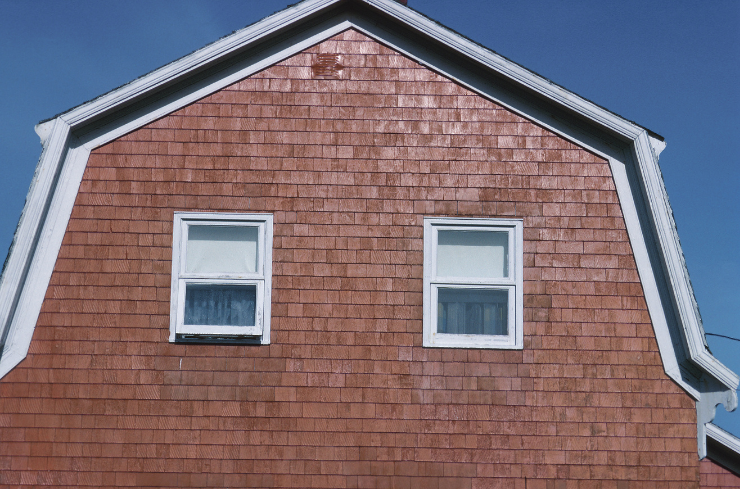
A gambrel roof is often seen on barns, but it also looks fantastic on homes, giving them a cozy, rustic feel. Like the mansard, it has two slopes on each side, with the lower slope being steeper. This design provides tons of attic space that can be used for storage or even made into an extra room. The shape also helps the inside feel light and open.
5. Saltbox Roof
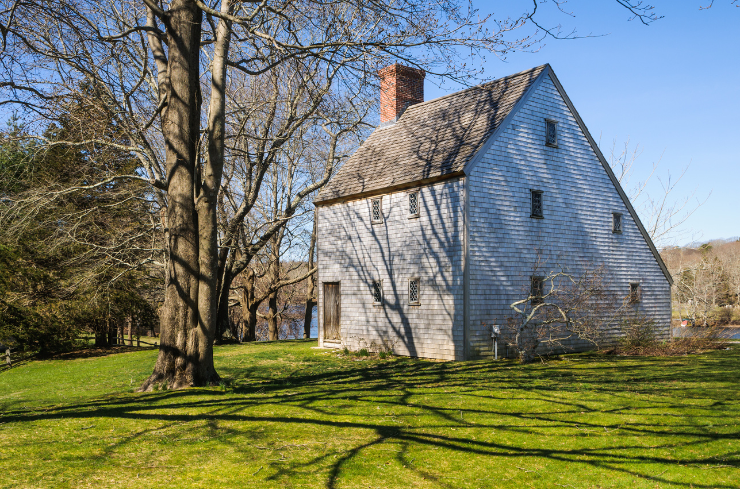
A saltbox roof is similar to a gable roof, but one side is much longer than the other, giving it a unique, uneven shape. This style is popular because it quickly drains rainwater and stops moisture from settling. The one-of-a-kind shape also gives homes a more interesting profile, making them stand out.
6. Shed Roof
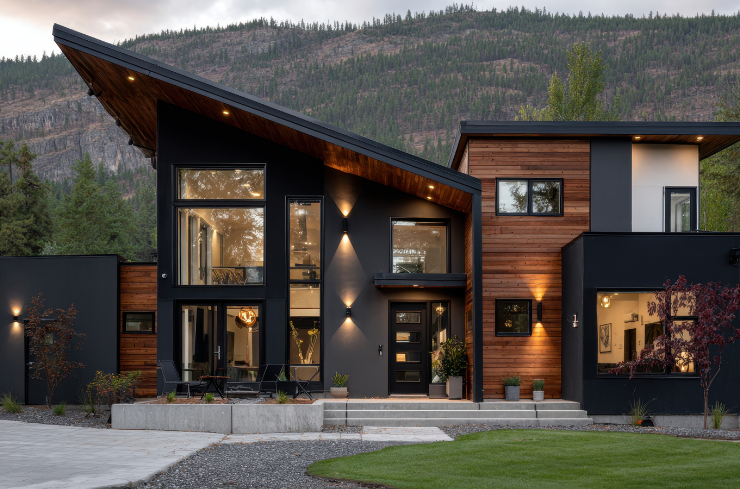
A shed roof has just one slope that leans to one side, which gives it a simple, modern look. It’s often used for new homes and additions because it works well with huge windows and open floor plans. The single slope lets rainwater flow off easily while keeping the design clean and basic.
7. A Frame Roof
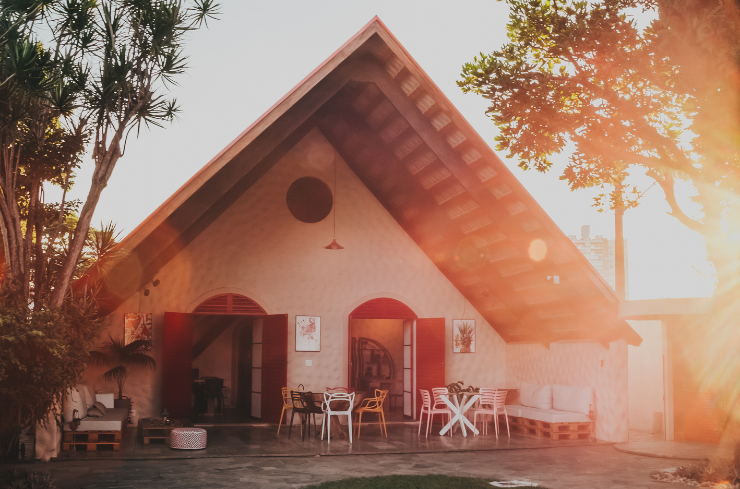
An A frame roof is named for its shape, which looks like the letter “A.” The roof slopes all the way down, nearly reaching the ground, which creates a warm, cabin-like feel. This design is excellent at dealing with heavy rain because water slides off instantly. The tall inside space also makes the interior feel open.
Materials Used for Pitched Roofs
Choosing the right roofing material is just as important as the roof design.
- Asphalt Shingles: Affordable, easy to put on, and available in many colors.
- Metal Roofing: Super strong, lasts a long time, and is great for all weather.
- Clay or Concrete Tiles: Perfect for warm areas. They look beautiful and feel classic.
- Slate Roofing: Very elegant and incredibly long lasting.
- Wood Shingles or Shakes: Natural and charming with a warm look.
- Synthetic Materials: Designed to look like wood or slate but are lighter and often cost less.
Pitched roofs offer a great combination of strength, style, and practical benefits that make them a top pick for many homes. Whether you like the familiar look of a gable roof, the extra space that comes with a mansard roof, or the clean feel of a shed roof, there’s a design out there that will fit your home and taste.
Picking the right roof is a big deal because it affects how your home looks and how well it stays protected for years. It’s also a chance to choose something that fits your life and what you want for your space. Take your time looking at different styles, think about what’s most important to you, and see how each option can help your home stay safe and comfortable.
Once you know the basics and what you’re looking for, you’re in a good spot to make a choice you’ll be happy with for a long time.
If you need honest advice and a roof that truly suits your home, Twin Peaks Roofing & Construction is always ready to help you get started.