
Sagging Gutters and Cracked Soffits: Small Issues, Big Consequences
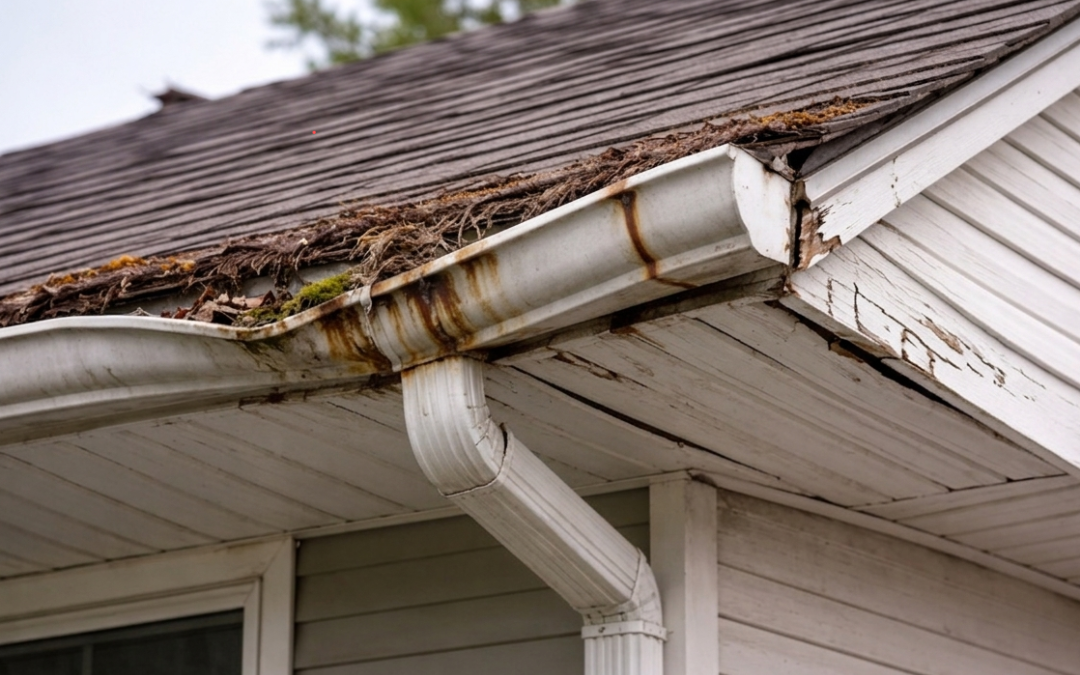
Why Sagging Gutters and Cracked Soffits Should Not Be Ignored?
Most problems with a house don’t start out as a disaster. Usually, they begin as something tiny that is easy to overlook. Maybe it’s a loose gutter, a hairline crack, or a small stain near the roof. Many people see these things and promise themselves they will get to it when they have more free time. If you have ever noticed a small issue like this and just kept going with your day, you are definitely not alone. It happens to almost everyone.
The catch is that these small exterior issues can slowly turn into massive, expensive headaches if they sit for too long. A sagging gutter or a cracked soffit might look like no big deal at first, but over time they lead to water damage, mold, and repairs that nobody wants to pay for. In this post, we are going to look at why these small things actually matter and how fixing them now can save you a lot of stress later. Taking care of the little things is the best way to keep your home in good shape for a long time.
What Sagging Gutters Are Really Telling You
Gutters aren’t just there to decorate your roof or catch stray leaves. They have a very important job: they move rainwater away from your roof, walls, and foundation. When gutters are straight and tight against the house, water flows smoothly to the downspouts and away from your home.
When gutters start to sag, that whole system breaks down. Sagging usually happens because the gutters are clogged with junk, holding too much heavy water, or because the screws and brackets have come loose. Sometimes it is just because the gutters are old or weren’t put up correctly to begin with. Once a gutter sags, water stops moving toward the downspout and starts pooling in the low spots. This makes the gutter even heavier, which makes the sag even worse. During a big rainstorm, the water will spill over the sides and land right next to your house, which is where the real trouble starts.
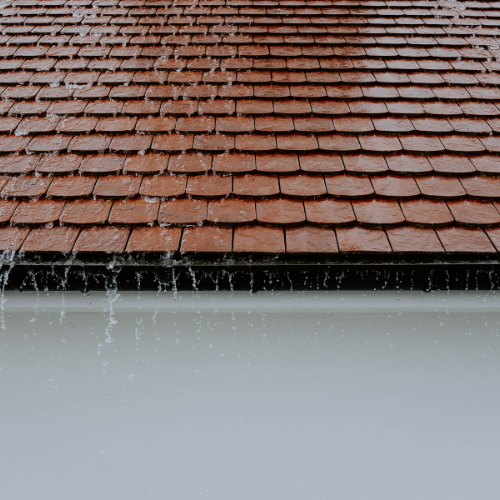
Where That Overflowing Water Goes
When gutters overflow, the water usually runs down your siding, gets behind your walls, or puddles on the ground right next to your foundation. None of those are good spots for water to be.
Over time, this can lead to:
- Stained or rotting siding
- Dirt washing away around the house
- Water pooling near the foundation
- Small cracks in your foundation
- Moisture and dampness in the basement
- Wood rot near the edge of the roof
All of this can start from just one section of gutter that is a little bit uneven. It might sound like a lot, but this is exactly how expensive repairs begin. It isn’t usually a sudden storm that causes the damage, but a small maintenance problem that was ignored for months.
How Gutters and Soffits Work Together
Many homeowners don’t realize that gutters and soffits are a team. They work together to keep water out of your house. When gutters sag and overflow, the rainwater often pours directly onto the soffits instead of going through the downspout.
If this keeps happening, the soffit panels can start to rot, crack, or get holes in them. Once the soffits are damaged, moisture can sneak into your attic and cause even more damage inside the house. Sometimes the real problem starts with the gutters, but you don’t see the damage until it shows up in the soffits later. This is why it is important to check the whole roofline, not just one spot. Everything along the edge of your roof works together to protect your home.
Signs You Should Watch For
It is a great habit to walk around your house every few months and look up at your roofline. You don’t need any tools or ladders for this. Just take a look and see if anything looks a bit “off.”
Keep an eye out for these signs:
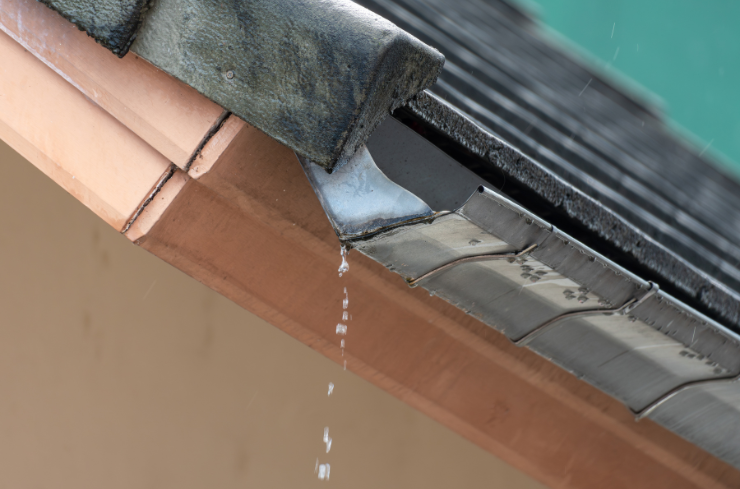
Gutters that look crooked or uneven
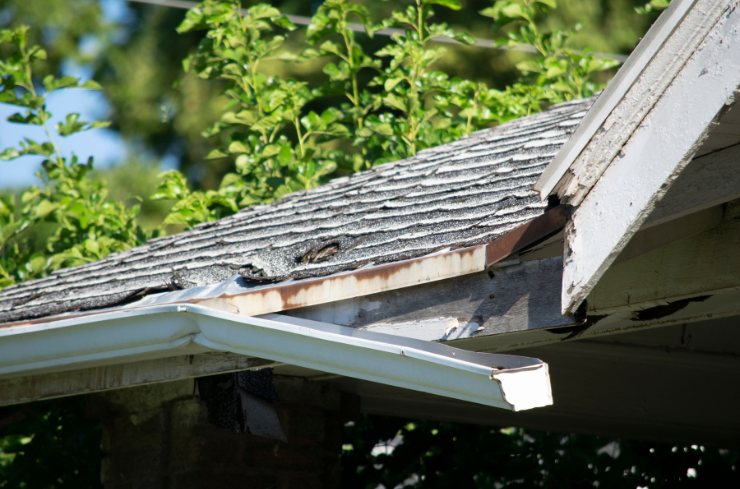
Gutters pulling away from the wood
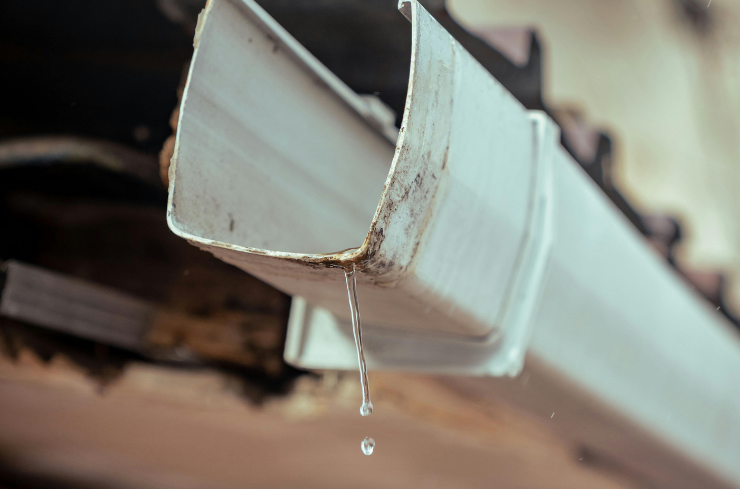
Water spilling over the edge when it rains
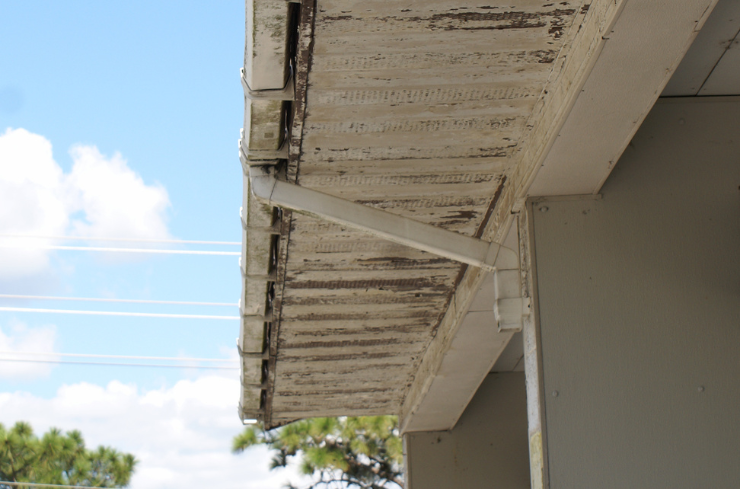
Cracks or holes in the soffit panels
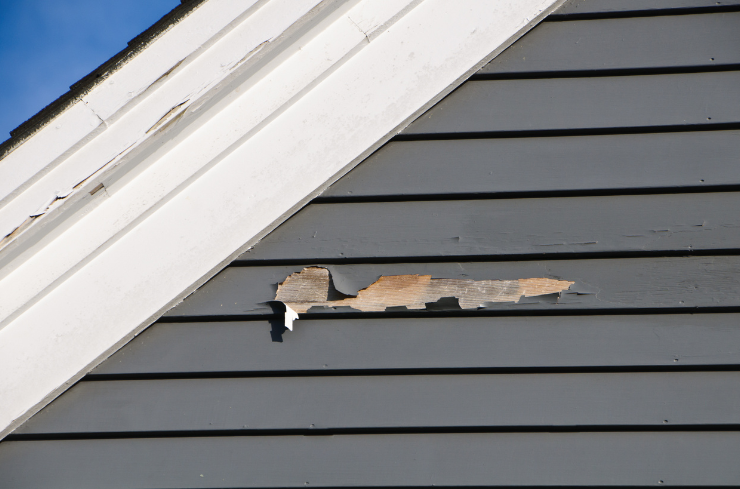
Peeling paint near the top of the walls
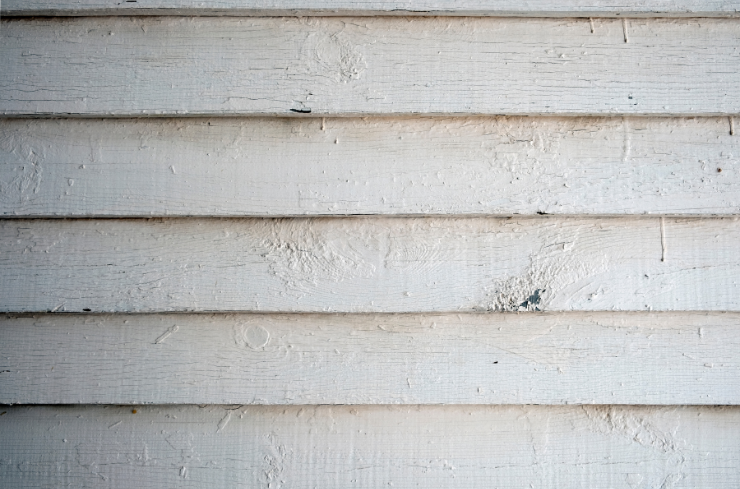
Dark water stains on
the siding
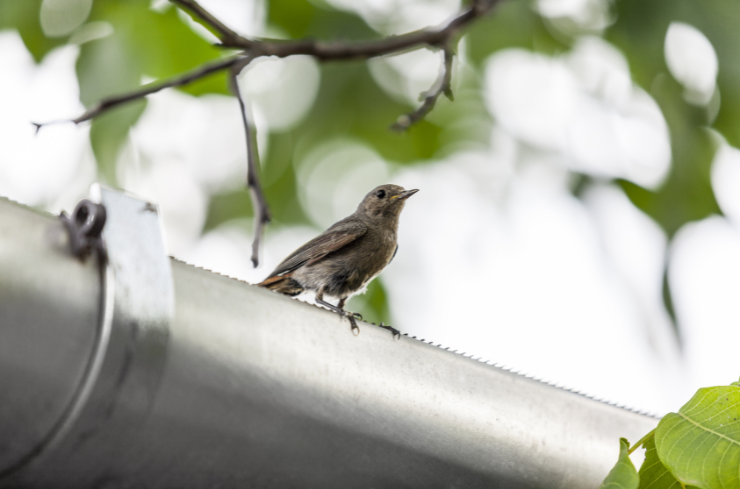
Birds or bugs hanging out near the roof edge
Sagging gutters and cracked soffits might seem like small things, but they can lead to big trouble if you let them go. These parts of your home are the first line of defense against water and moisture. When they are broken, water goes where it shouldn’t, and that is when the bills start to get high.
The best thing you can do is stay aware of small changes and fix things as soon as they look out of place. It is almost always cheaper and easier to fix a small problem now than to deal with a huge repair later. Taking care of these small tasks might not be the most exciting part of owning a home, but it is the best way to protect your investment and save money in the long run.
If you see any sagging gutters or cracked soffits around your house, give Twin Peaks Roofing & Construction a call today. We can help fix the issue quickly and make sure your home stays safe and dry.
0 Comments