
Hail Storms and Exterior Damage: Why Your Roof Is Most at Risk
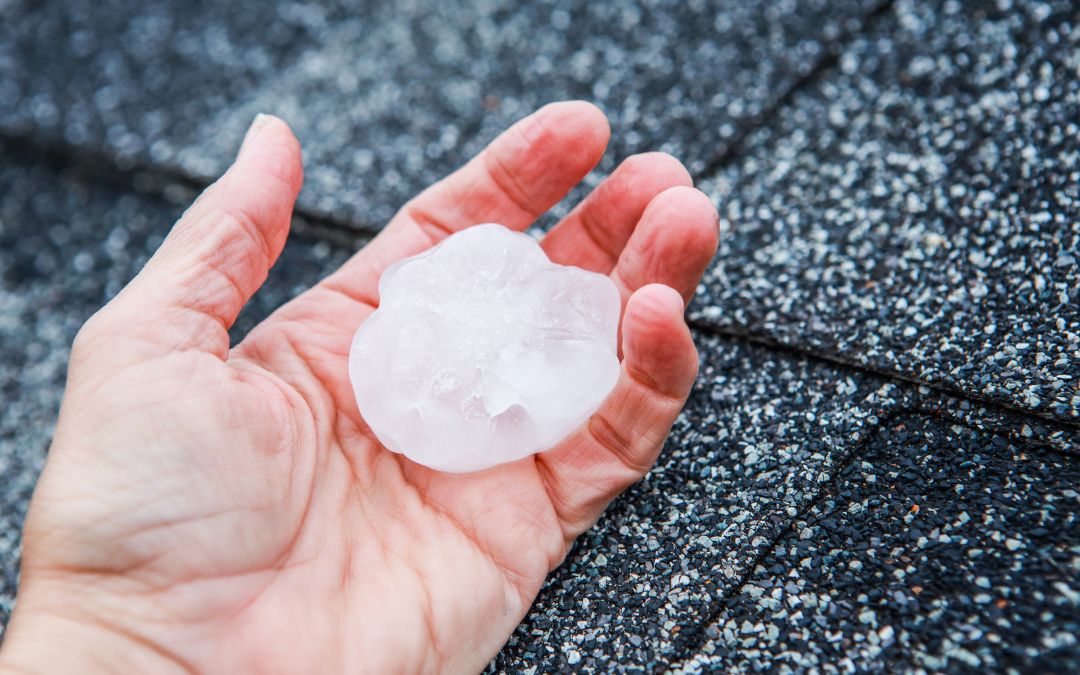
Did You Think Your Home Was Fine After Hail Damage Roof Happens?
Have you ever wondered how quickly a hail damage roof situation can happen without you even noticing at first? Just recently, north of Akron, Ohio was hit by hail. It was one of those storms that makes you stop what you are doing and just listen. The sky got dark really fast, like someone flipped a switch. Then the rain came down hard, followed by that sharp popping sound of hail hitting rooftops, cars, and anything it could reach. For a few minutes, it honestly felt like the whole neighborhood was being pelted all at once. If you have ever been through a hail storm like that, you know it is not just rain. It feels louder, heavier, and a bit unsettling.
When it finally passed, everything went quiet again. The sun slowly came back out, the streets started drying, and from a distance it looked like nothing even happened. But that is where a lot of homeowners get caught off guard. Things can look totally fine outside, while damage is already sitting on your roof or around your home. Are you a homeowner who assumes a clear sky means a safe house? That is not always the case after hail. On this blog, we will walk through something most people overlook, how hail affects your home’s exterior and why your roof usually ends up taking the most damage, even when everything still looks normal from the ground.
Why the Roof Gets Hit the Hardest
Think about where your roof sits. It is the highest point of your home. There is nothing above it to block the impact.
When hail falls, it goes straight down. And your roof absorbs all of it.
Windows are on the side. Siding is vertical. Gutters run along the edge. But the roof takes direct hits over and over again during a storm.
That is why it is usually the most at risk.
What Hail Actually Does to Shingles
Most homes have asphalt shingles. They are built to handle rain and wind. But hail is different.
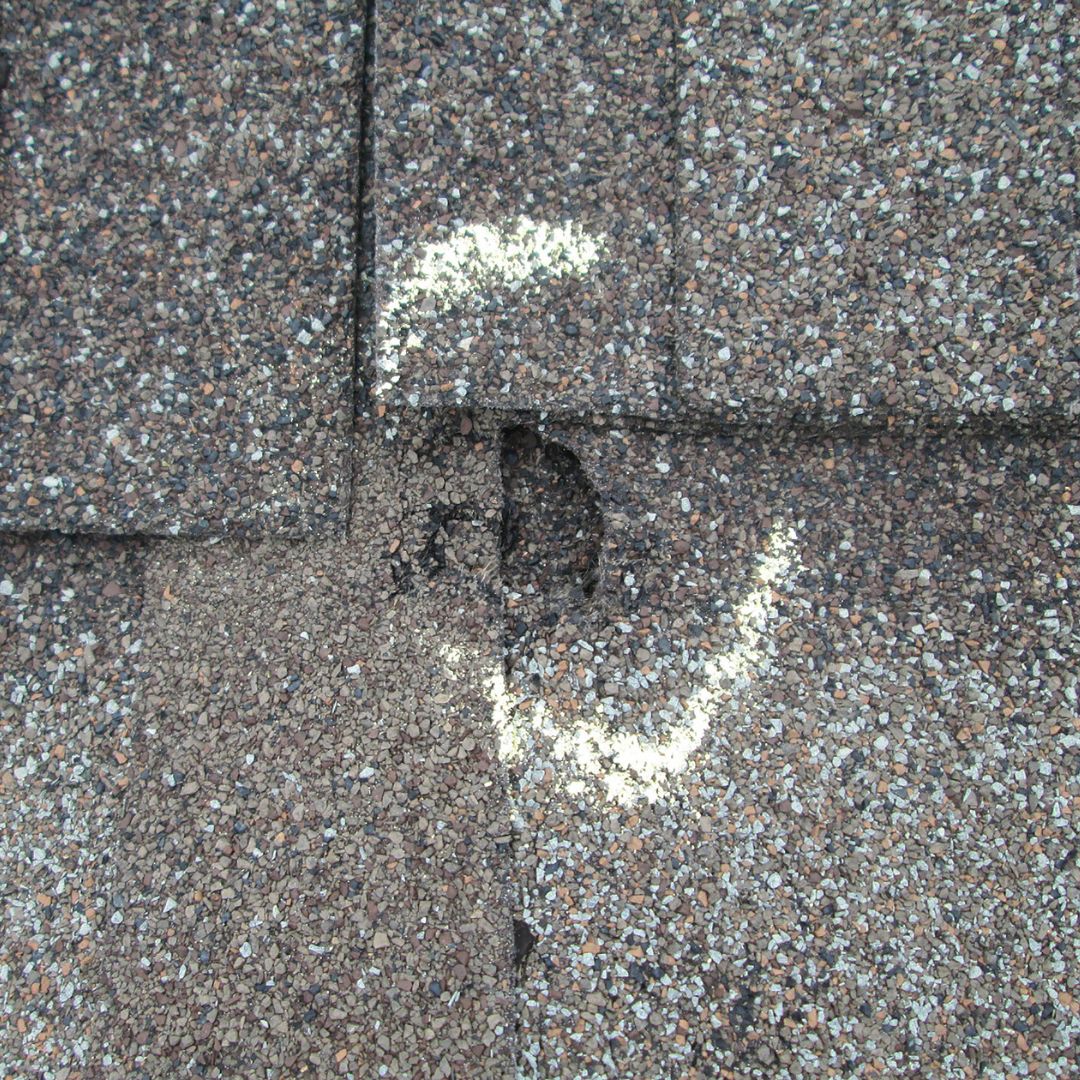
When hail hits, it can knock off the tiny granules on top of the shingles. Those granules help protect your roof from sun damage and everyday wear. Once they are gone, the shingle starts to weaken.
Sometimes hail leaves small cracks or soft spots. You might not see anything from the ground. The roof can look fine. That is the tricky part.
Weeks or even months later, those small spots can turn into leaks. Water slowly finds its way in. You might notice a stain on your ceiling or a damp smell in the attic.
By then, the damage has already started to grow.
What About Gutters, Siding, and Windows
Gutters usually show dents first. After a hail storm, you may see little dings along the metal. They might seem small, but they can affect how water flows. If water does not drain properly, it can spill over and cause problems near your foundation.
Siding can crack or get chipped. Vinyl can split. Aluminum can dent. It may look like just a cosmetic issue, but cracks can let moisture sneak in.
Windows are often stronger than we expect. But older ones can crack or lose their seal. Even if the glass does not break, moisture can get around the edges over time.
Still, roof damage is the one that worries contractors the most. Because you usually cannot see it without getting up there.
Why Roof Damage Is Easy to Miss
Most homeowners are not climbing onto their roofs after every storm. And that makes sense.
The problem is that roof damage is not always obvious. You may not see missing shingles. You may not see holes.
But the impact from hail can weaken the roof without leaving big signs.
And the roof protects everything underneath it. Your ceilings. Your walls. Your insulation. Your belongings.
If the roof is compromised, the rest of your home can suffer.
What You Should Do After a Hail Storm
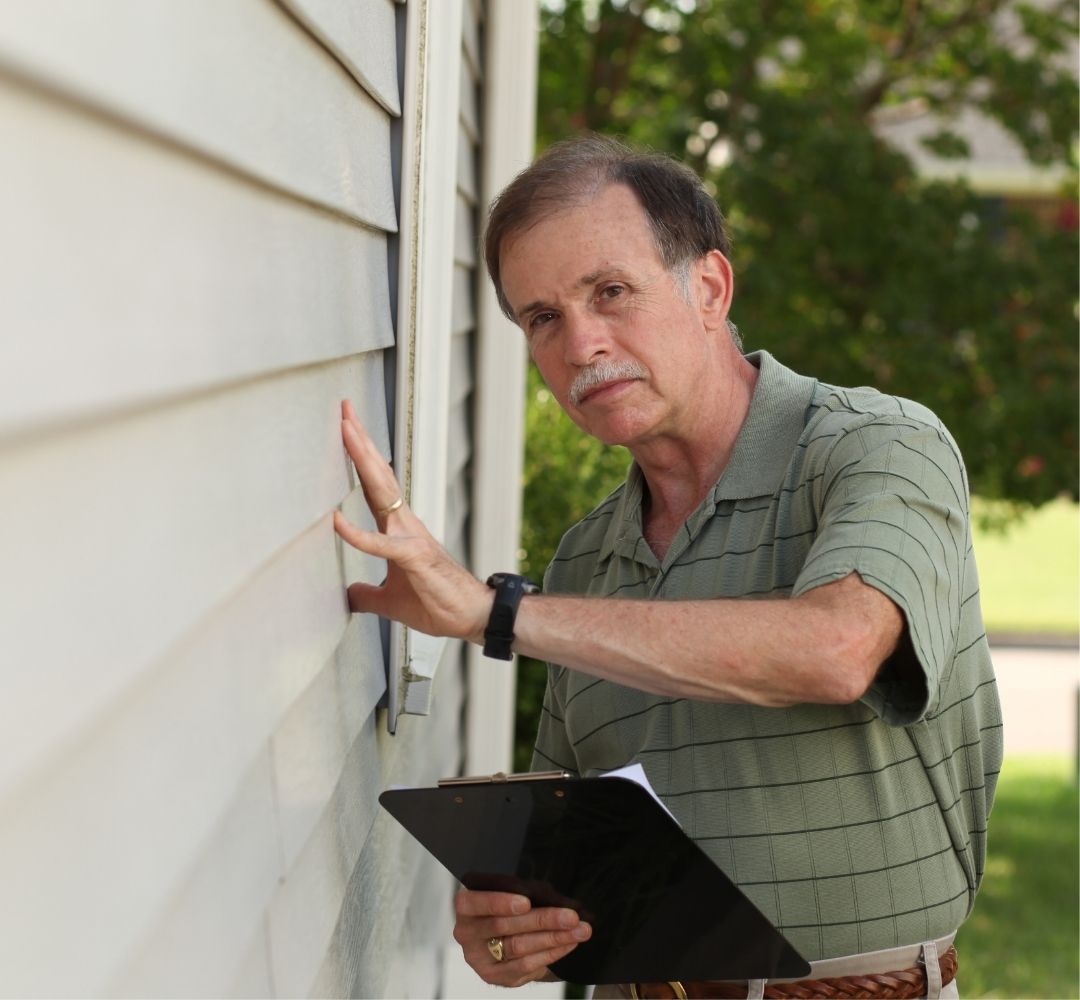
After a storm, take a slow walk around your home.
Look at your gutters. Check your siding. See if you notice anything unusual on the ground like shingle pieces or heavy granules near the downspouts.
If something looks off, it is a good idea to have a professional inspect the roof. Even if it turns out everything is fine, you will have peace of mind.
Catching damage early is always easier and cheaper than waiting.
A Little Encouragement
Storms happen. Hail happens. It is just part of living in a home, especially if you have been through a few seasons already. The good thing is, hail damage does not always mean something serious or expensive, especially if you notice it early. Most of the time, it is something you can deal with before it turns into a bigger problem. No need to stress or assume the worst right away. It is really more about staying aware and taking a closer look when something feels off after a storm.
Your roof is up there doing its job every single day, taking heat, rain, wind, and everything else nature throws at it without asking for much in return. That is why a quick check after a hail storm can make a big difference in keeping your home safe and avoiding surprise repairs later on. So the next time you hear that loud tapping on your roof during a storm, you will already know what it is and why it matters, and once the sky clears, you will know the simple next step to take without overthinking it.
If you think your roof might have taken a hit after a hail storm, it is a good idea to have it checked by the team at Twin Peaks Roofing & Construction so you can catch any issues early and keep your home protected. They can help you take a closer look and make sure everything is still in good shape.
0 Comments