
How Roofing Membranes Protect Your Home from Water Damage
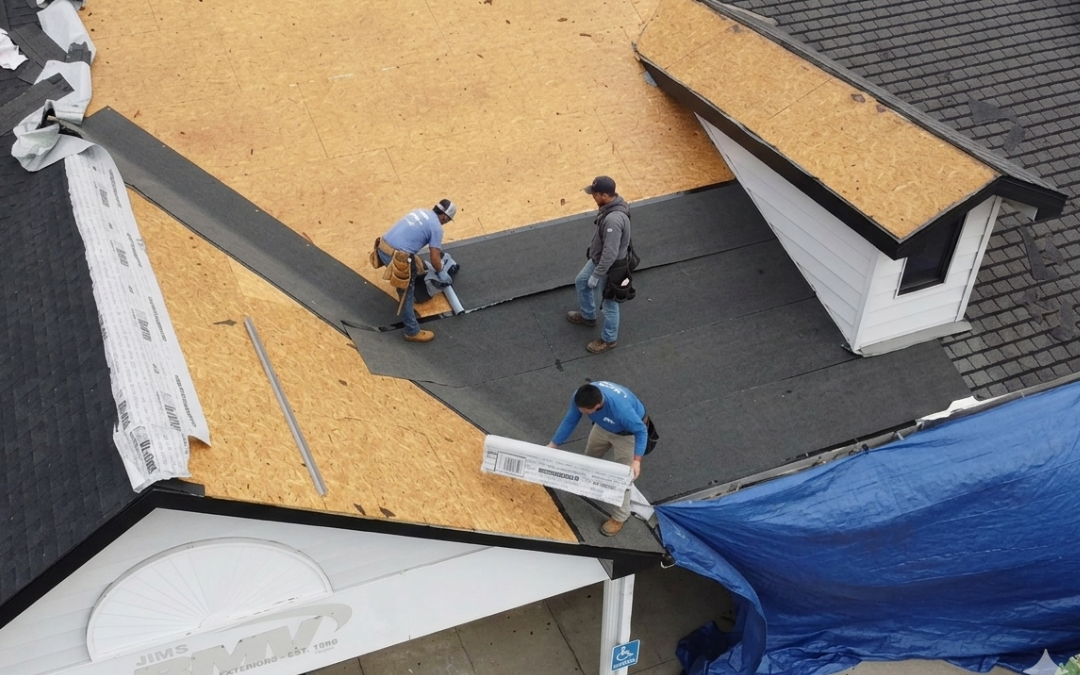
Is your roof hiding a secret layer that stops leaks?
Are you the kind of homeowner who only looks up at the roof when something feels wrong? You aren’t the only one. Most people don’t give their roof a second thought until a problem pops up. Usually, it starts small. You might see a tiny stain on the ceiling or hear a soft drip during a storm. Maybe there is a weird, musty smell that you can’t quite place.
At first, it’s easy to ignore. Life is busy, and it doesn’t seem like a big deal. But when the next big rain hits, that small issue can turn into a mess you can’t overlook.
Did you know your roof is more than just the shingles or tiles you see from the street? There is a hidden layer underneath that does the heavy lifting to keep you dry. In this post, we are talking about that layer, called a roofing membrane. It might not look like much, and you’ll probably never see it, but it works hard behind the scenes. It blocks water, protects your house, and gives you peace of mind when the weather gets ugly.
What is a Roofing Membrane?
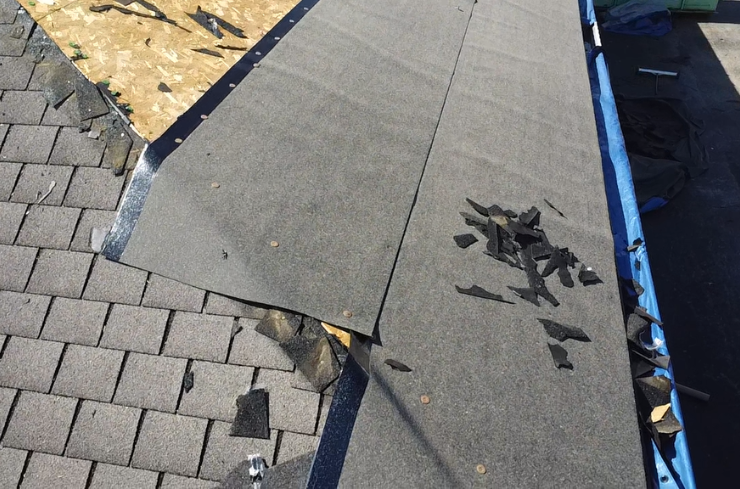
A roofing membrane is a thin layer designed to stop water from getting inside your house. It sits right under your shingles, or on some roofs, it acts as the top layer itself.
Think of it as a safety net. If water managed to sneak past your outer shingles, the membrane is there to catch it and move it away. It gives your roof that extra shield that really matters when a storm hits hard.
Common Types of Roofing Membranes
There are a few different types of membranes, and each has its own perks. Here are the ones you will likely hear about if you are looking at roof repairs.
Built-Up Roofing (BUR)
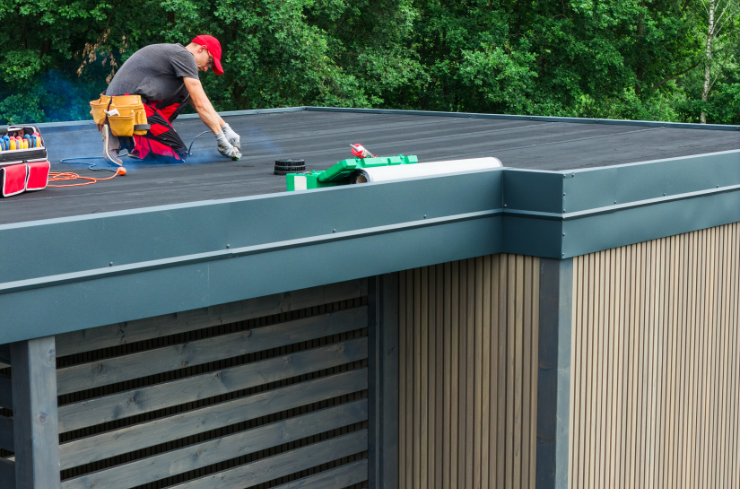
This is an old-school method that people still use because it works so well. It is made by stacking layers of asphalt and fabric to create a thick, solid barrier. It is very tough and handles flat roofs or low slopes perfectly.
EPDM (Rubber Roofing)
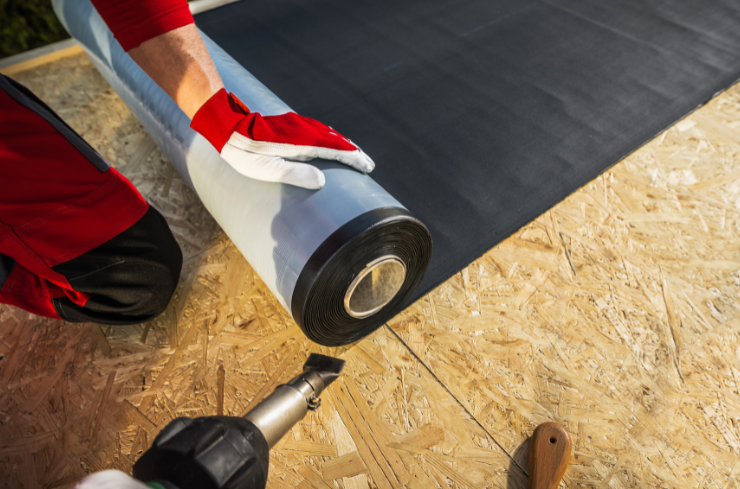
This is a rubber-based material that is very flexible. It doesn’t crack when it gets super hot or freezing cold. It is lightweight and doesn’t need much upkeep, making it a simple and reliable choice.
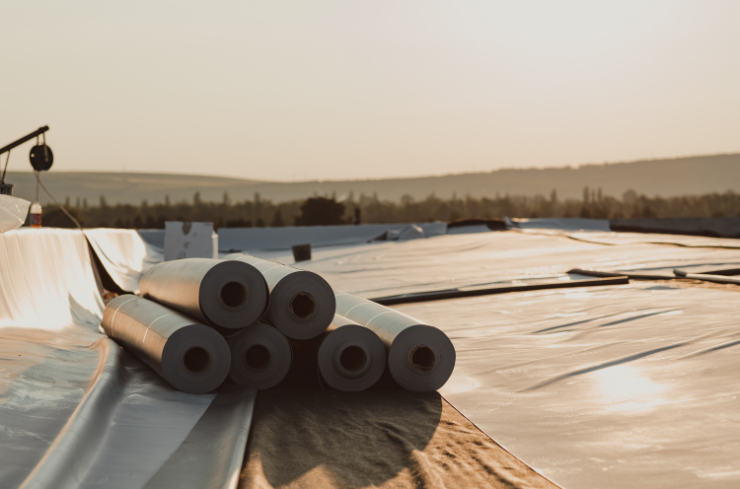
PVC Roofing
This is a very strong option built to stand up to nasty weather. The best part is that the seams are melted together with heat, creating a bond that is almost impossible for water to get through.
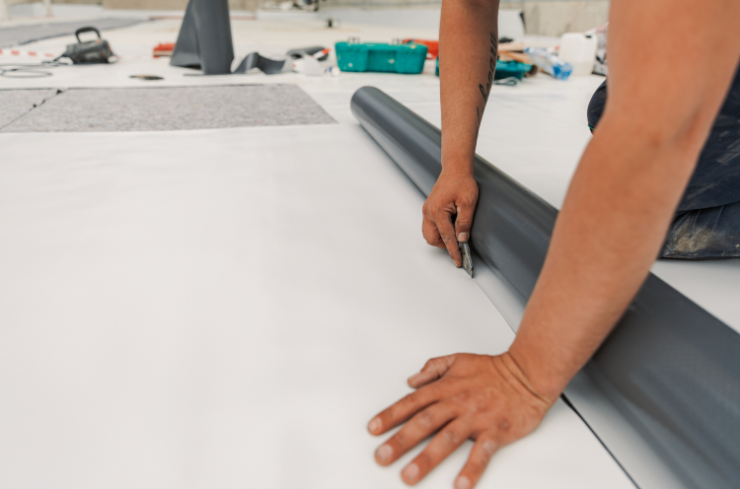
TPO Roofing
This is a newer choice that has become a fan favorite. It reflects heat from the sun, which can help keep your cooling bills lower in the summer while still doing a great job at blocking rain.
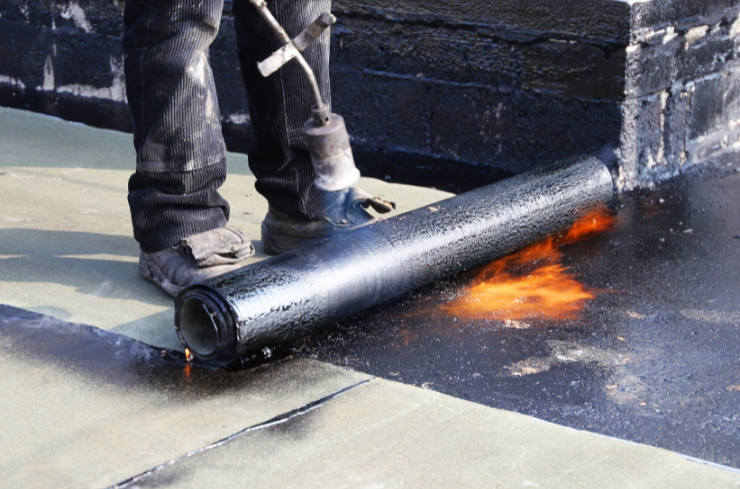
Modified Bitumen
This takes traditional asphalt and adds extra materials to make it stronger and more flexible. It creates a tight seal that stops leaks before they start and doesn’t need constant fixing.
How These Layers Protect You
So, how does this hidden layer actually do its job? It comes down to a few simple things.
✅ It Stops Water Fast
The main goal of this layer is to act like a solid wall for your home. Even if a few shingles blow loose or some rain slips through a crack, the membrane is there to stop that water right in its tracks before it hits your wooden rafters. Plus, roofs aren’t static objects. They actually grow and shrink a tiny bit when the weather goes from freezing cold to burning hot. Because these membranes are made to be flexible, they can stretch and shift along with your house without snapping or getting brittle. This keeps the seal tight no matter what the thermometer says outside.
✅ It Stays Put
When these layers are put down, they are meant to stay exactly where the roofer puts them. They are attached so securely that they won’t lift up or slide around even when the wind starts picking up during a big storm. This is huge because if a layer shifts, it creates little gaps where water can sneak in. By staying flat and locked into place, the membrane ensures there are no hidden pockets for moisture to crawl underneath, which keeps your attic bone dry year after year.
✅ It Points Water to the Exit
The last thing you want is for a big puddle of water to just sit on top of your roof after a downpour. Standing water is a recipe for trouble, but a smooth membrane helps keep everything moving in the right direction. It works with the slope of your roof to guide every drop of rain straight toward your gutters and downspouts. By making sure the water has a clear path to leave the roof quickly, the membrane prevents the heavy soaking that usually leads to rot or long-term damage.
Why This Matters for Your Home
- No More Leaks: A tiny leak can turn into a huge, expensive nightmare fast. A membrane stops the water before it ever enters your living space.
- Stronger Structure: Water can rot wood and cause mold to grow in your walls. Keeping moisture out keeps your home standing strong.
- Saves Your Wallet: Fixing water damage is pricey. It is much cheaper to have a good membrane than to pay for major repairs and mold cleanup later.
Roofing membranes are one of those things you don’t think about, but they are always on the job. Day and night, through sun and rain, they keep you dry without asking for any attention. If you are planning to fix or replace your roof, make sure this layer is part of the conversation.
It might not be the prettiest part of your house, but it is one of the most important for your peace of mind. When the clouds get dark and the wind picks up, you want to know your home is ready.
If you have questions about your roof or want to make sure your home is fully protected, reach out to Twin Peaks Roofing and Construction. Our team is here to help you stay safe and dry.
0 Comments