
Roofing Ventilation Explained: Improve Airflow and Extend Roof Life
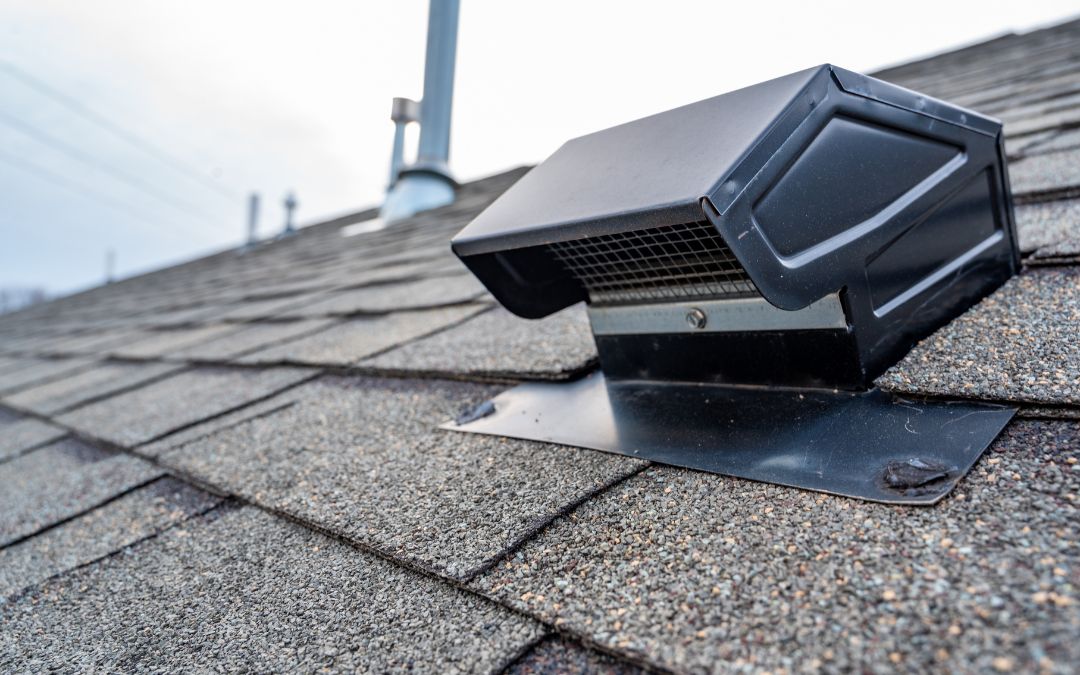
Why isn’t roof ventilation cooling your upstairs?
Roof ventilation is often overlooked until something in the home feels off. The upstairs may suddenly feel hotter, or you might notice a strange smell from the attic. Sometimes it even shows in a higher electric bill that does not make sense. That is usually the moment homeowners start paying attention.
Did you know that most of these issues can be linked to one simple thing, roof ventilation? On this blog, we will keep it easy and clear so you can understand how it works without any confusion. Roofing ventilation is one of those parts of a home that quietly does its job every day. When it is working right, you barely notice it. But when it is not, your whole home can start to feel the difference.
What roofing ventilation is
Roof ventilation is really just air moving in and out of your attic space in a steady and natural way. Fresh air comes in from one side, warm air slowly rises and moves out from the other side. It is a simple process, but it makes a big difference in how your roof performs over time.
When this airflow is working properly, it helps keep heat from building up and stops moisture from staying trapped in places where it should not be. Over time, that balance of air helps protect your roof structure, keeps materials in better shape, and helps your home feel more stable and comfortable overall.
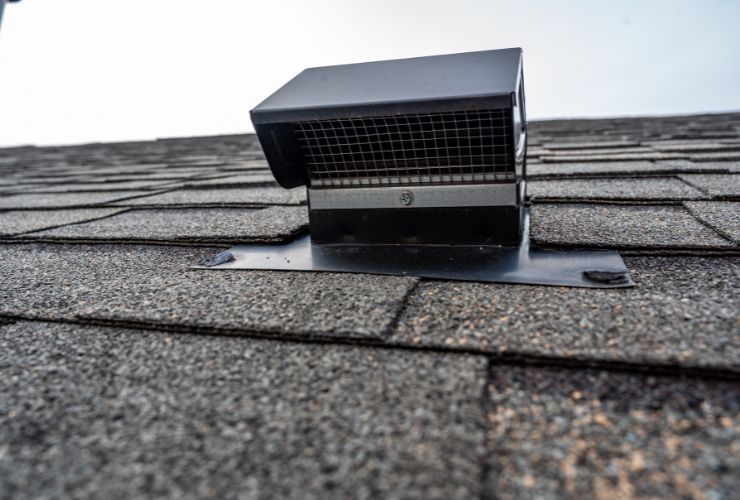
Why it matters
Your attic can get very hot, especially during sunny days. When that heat stays trapped, it slowly affects your roof and your home.
It can lead to:
Faster roof wear and tear
Higher indoor temperatures
More work for your air conditioner
Shorter roof lifespan
It does not happen overnight, but it builds up over time.
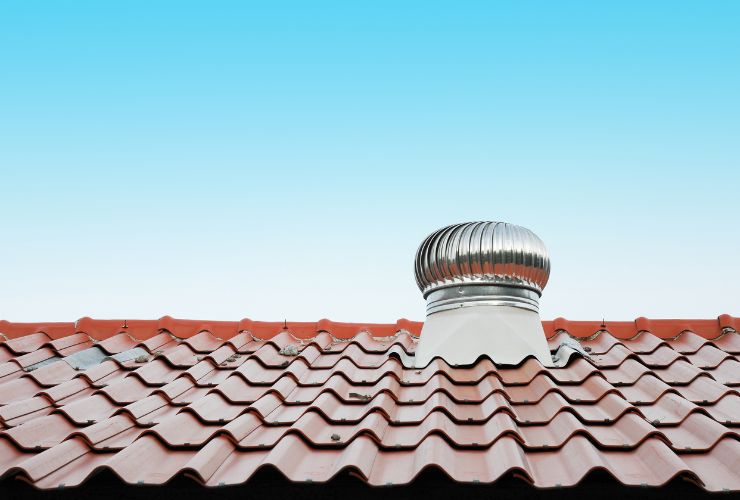
How it works
A good ventilation system has two parts:
Intake vents that bring fresh air in
Exhaust vents that push hot air out
Air enters from the lower parts of the roof, rises as it warms up, then exits at the top. Simple natural flow.
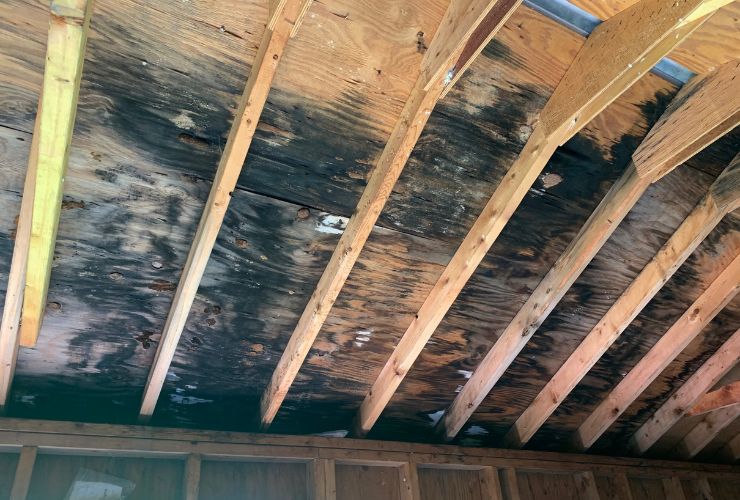
Moisture is also a problem
It is not just heat. Everyday activities like cooking and showering add moisture to the air. That moisture can rise into the attic.
Without ventilation, it can lead to:
Mold growth
Damp wood
Damaged insulation
Good airflow helps remove that moisture before it causes issues.
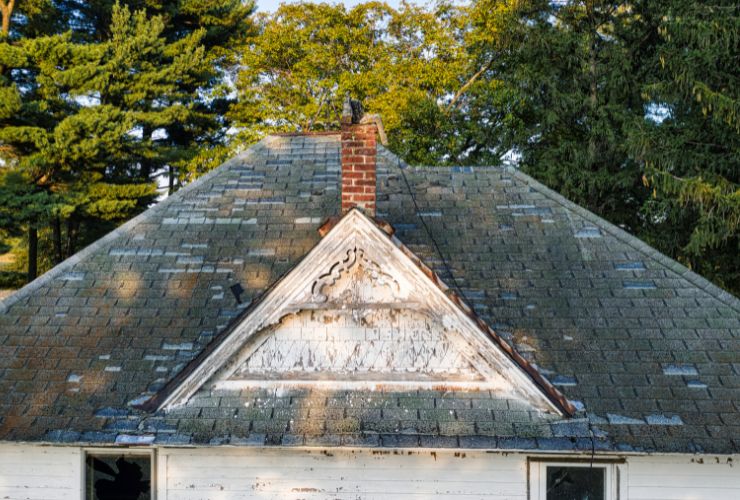
Signs of poor ventilation
You may notice:
Hot attic or upstairs rooms
Musty smell in certain areas
Uneven roof aging
Higher energy bills
These are early warning signs your roof may need better airflow.
Why it helps your roof last longer
Proper ventilation helps take a lot of stress off your roof by lowering both heat and moisture buildup. When those two are kept under control, your roofing materials do not wear out as quickly, and they stay in better shape for a longer time.
It also helps your home feel more comfortable because less trapped heat means cooler indoor temperatures, especially during hot days. On top of that, your cooling system does not have to work as hard just to keep things comfortable, which can make a real difference in how your home performs overall.
Have you checked your roof ventilation lately?
Roof ventilation may not be something you think about every day, but it plays a big role in how your home holds up over time. When airflow is working the way it should, your roof stays cooler during hot days, moisture does not get trapped, and the materials above your head are not under constant stress.
That means fewer problems down the road and a roof that can last longer without unnecessary damage. Most of the time, you will not even notice it is working, and honestly, that is a good thing. It is one of those parts of your home that quietly does its job in the background without asking for attention, and when everything is balanced, your whole home feels a bit more comfortable and easier to manage.
If you are thinking your roof might not be getting the airflow it needs, it is a good idea to have it checked by a trusted team like Twin Peaks Roofing & Construction so you can keep your home protected and avoid bigger problems later on, and make sure your roof stays in good shape for years to come.
0 Comments